Cut Resistance Information
Understanding cut resistance standards helps you select the right level of protection for your specific cutting hazards.
Cut Resistance Testing
Cut-resistant gloves are tested using standardized methods to determine their level of protection. The two primary standards are ANSI/ISEA 105 (North America) and EN 388 (Europe).
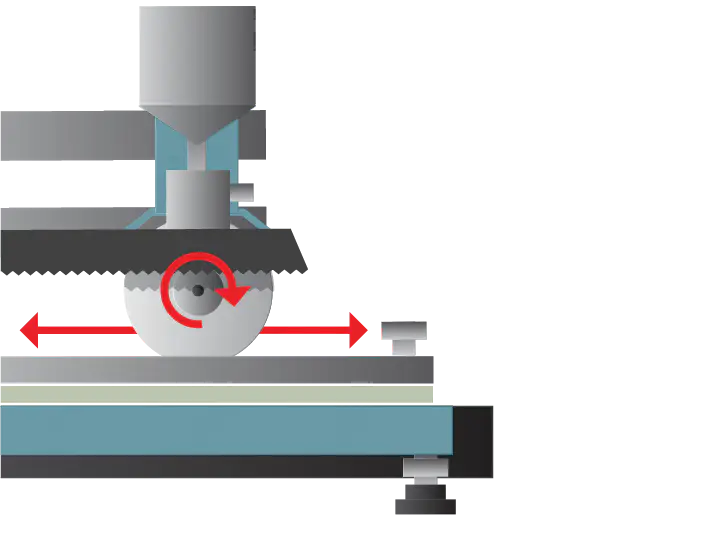
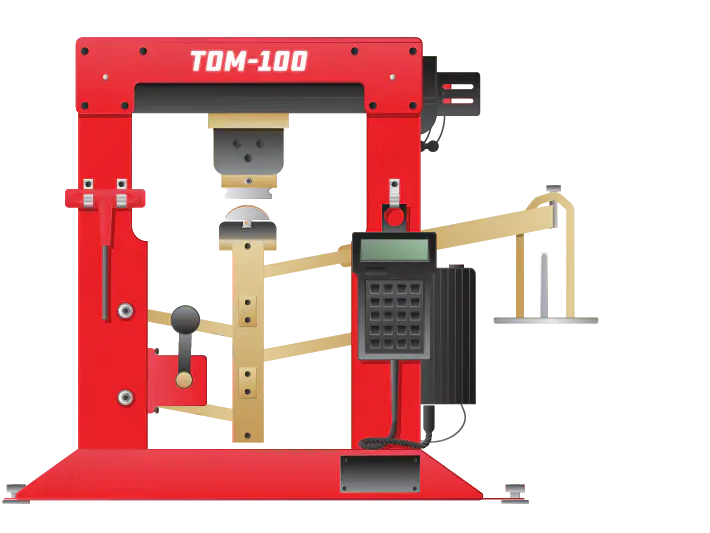
ANSI/ISEA 105 uses the TDM-100 test machine, which measures the force required to cut through the material with a rotating blade. Results are measured in grams and classified into levels A1 through A9.
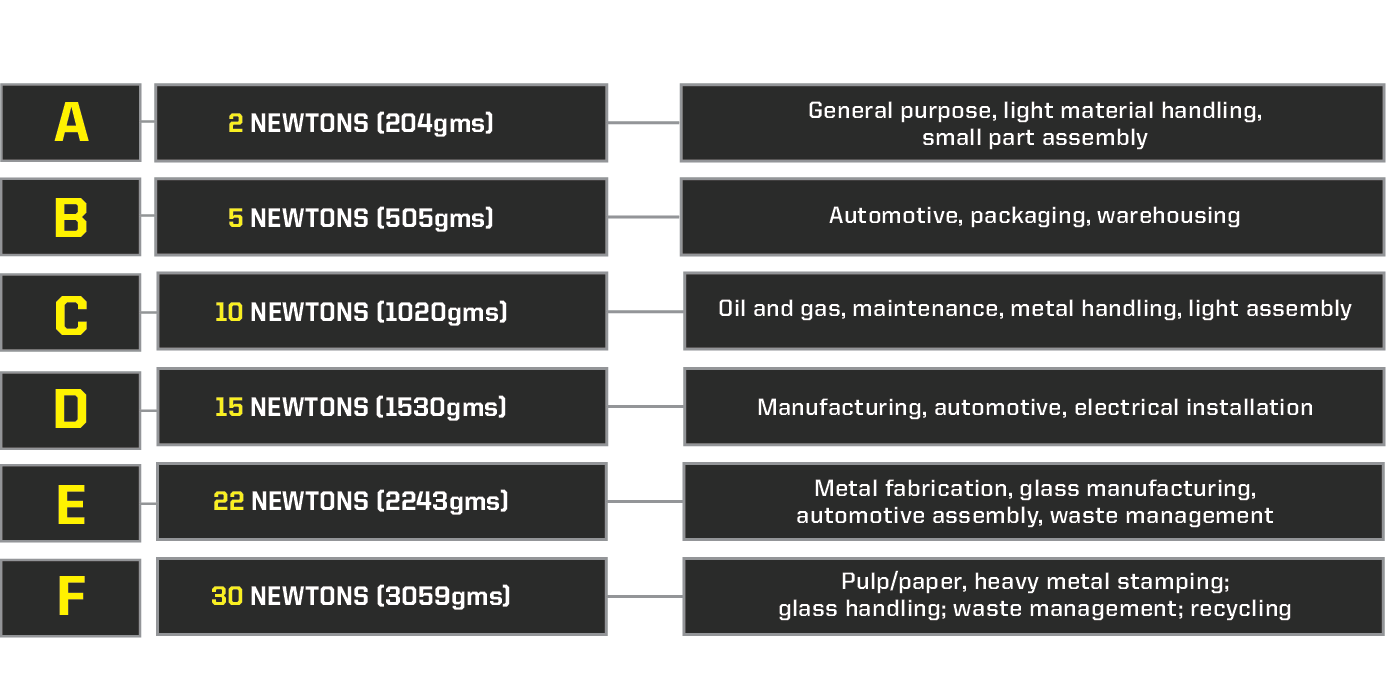
EN 388 uses the Coup Test for lower cut resistance and the ISO 13997 test for higher performance materials, rating protection from Level A to Level F.
EN 388 Cut Levels
The EN 388 standard rates cut resistance from Level A to Level F, based on the force required to cut through the material.
Protection Levels
Cut resistance increases progressively from light protection to extreme cut hazard protection.

ANSI/ISEA 105 Cut Levels
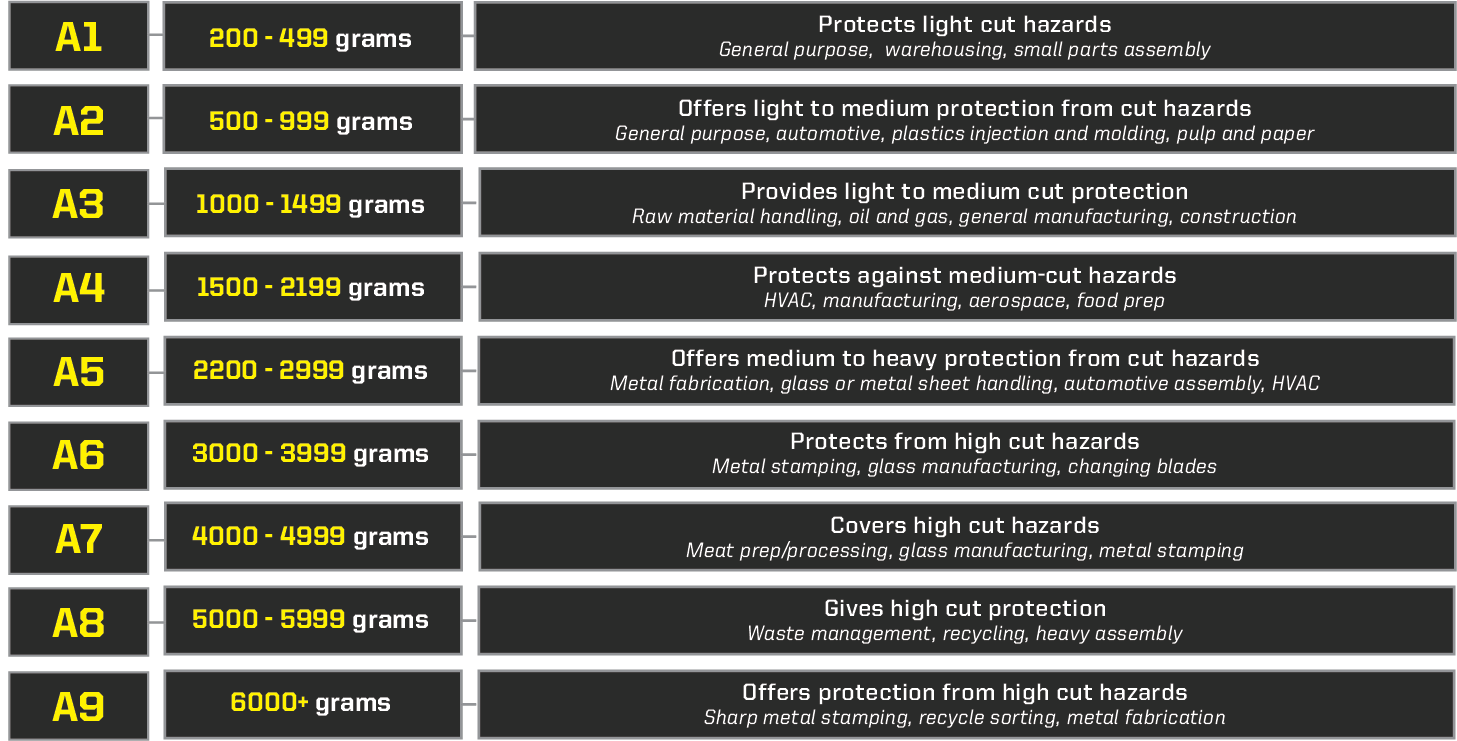
The ANSI/ISEA 105 standard defines nine levels of cut resistance (A1-A9), measured in grams of cutting load required to cut through the material.
Common Applications
Light Duty (A1-A3)
200-1499 grams
- • General purpose work
- • Light material handling
- • Small parts assembly
- • Warehousing
Medium Duty (A4-A6)
1500-3999 grams
- • Metal fabrication
- • Glass handling
- • Automotive assembly
- • Food processing
Heavy Duty (A7-A9)
4000-6000+ grams
- • Metal stamping
- • Glass manufacturing
- • Recycling operations
- • Sharp metal handling
How to Choose the Right Cut Level
Consider These Factors:
- 1.Identify the specific cutting hazards in your workplace
- 2.Assess the sharpness and type of materials you handle
- 3.Consider the frequency and duration of exposure
- 4.Balance protection with dexterity requirements
Important Notes:
- •Higher cut levels may reduce dexterity and tactile sensitivity
- •Proper fit is essential for maximum protection
- •Cut-resistant gloves should be replaced when damaged
- •Always follow manufacturer care instructions
Need Help Selecting Cut-Resistant Gloves?
Our experts can help you choose the right cut level for your specific application and ensure proper protection.