Mechanical Risk Information
Understanding EN 388 mechanical risk standards helps you select the right level of protection against abrasion, cut, tear, and puncture hazards.
EN 388 Standard Overview
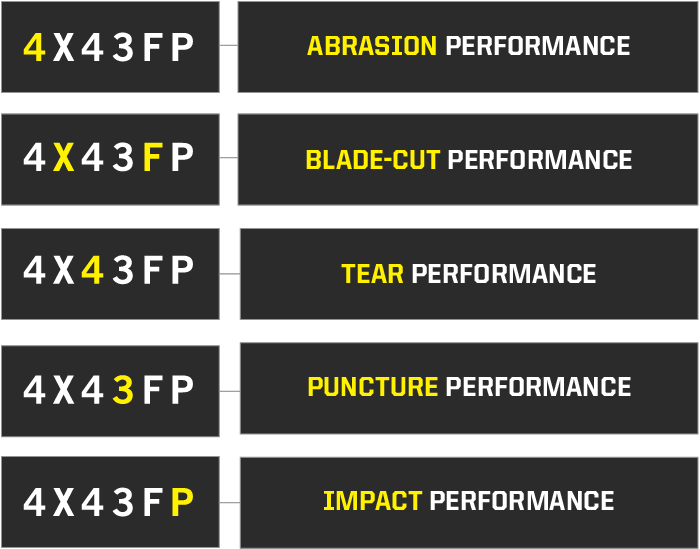
EN 388 is the European standard for protective gloves against mechanical risks. The standard uses a four or five-digit code to rate glove performance across multiple mechanical hazards.
Testing Methods
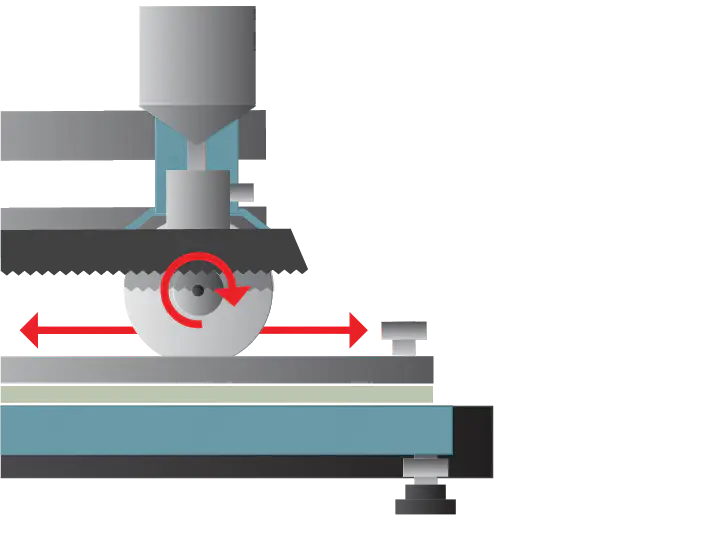
EN 388 evaluates glove performance through standardized testing methods. Each test measures a specific type of mechanical risk that workers may encounter.
The standard includes tests for abrasion resistance, blade cut resistance, tear resistance, and puncture resistance. Updated versions also include impact protection testing.
Understanding these test methods helps you select gloves that provide appropriate protection for your specific mechanical hazards.
Tear Resistance Testing
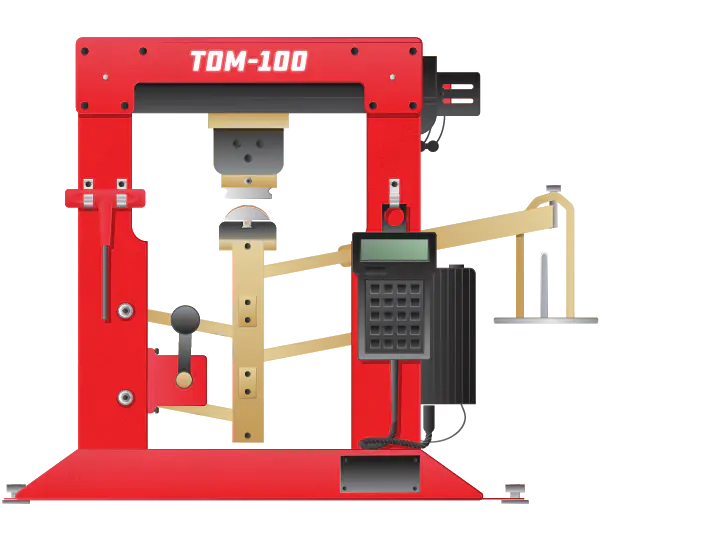
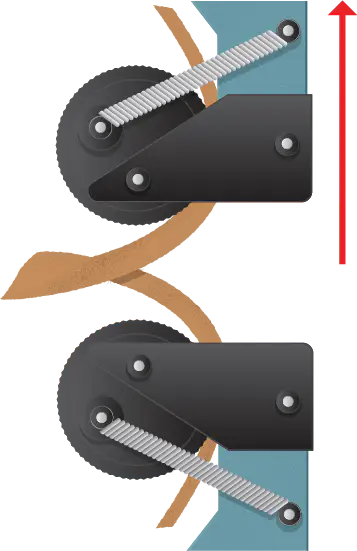
Tear resistance testing measures the force required to tear the glove material. This test simulates scenarios where gloves may catch on sharp edges or protrusions.
Protection Levels
Mechanical protection increases progressively from basic protection to extreme hazard protection across all EN 388 performance categories.

EN 388 Performance Levels
Abrasion Resistance
Rated from 0 to 4 based on the number of cycles required to abrade through the material.
- • Level 1: 100 cycles
- • Level 2: 500 cycles
- • Level 3: 2,000 cycles
- • Level 4: 8,000 cycles
Blade Cut Resistance
Rated from 0 to 5 based on the number of cycles to cut through the material.
- • Level 1: 1.2 index
- • Level 2: 2.5 index
- • Level 3: 5.0 index
- • Level 4: 10.0 index
- • Level 5: 20.0 index
Tear Resistance
Rated from 0 to 4 based on the force required to tear the material.
- • Level 1: 10 Newtons
- • Level 2: 25 Newtons
- • Level 3: 50 Newtons
- • Level 4: 75 Newtons
Puncture Resistance
Rated from 0 to 4 based on the force required to puncture the material.
- • Level 1: 20 Newtons
- • Level 2: 60 Newtons
- • Level 3: 100 Newtons
- • Level 4: 150 Newtons
Common Applications
Construction & Demolition
High abrasion and tear resistance
- • Heavy material handling
- • Concrete work
- • Demolition operations
- • Rough surface handling
Manufacturing & Assembly
Balanced mechanical protection
- • General assembly work
- • Parts handling
- • Machine operation
- • Quality inspection
Automotive & Metal
Cut and puncture resistance
- • Metal stamping
- • Sharp edge handling
- • Automotive assembly
- • Sheet metal work
How to Choose the Right Protection
Consider These Factors:
- 1.Identify all mechanical hazards in your work environment
- 2.Determine which EN 388 ratings are most critical
- 3.Balance protection levels with dexterity requirements
- 4.Consider grip requirements for your specific tasks
Important Notes:
- •Higher protection levels may reduce tactile sensitivity
- •Proper fit is essential for maximum protection and comfort
- •Inspect gloves regularly for signs of wear or damage
- •Replace gloves when protection is compromised
Need Help Selecting Mechanical Protection Gloves?
Our experts can help you choose the right EN 388 protection levels for your specific mechanical hazards and applications.